
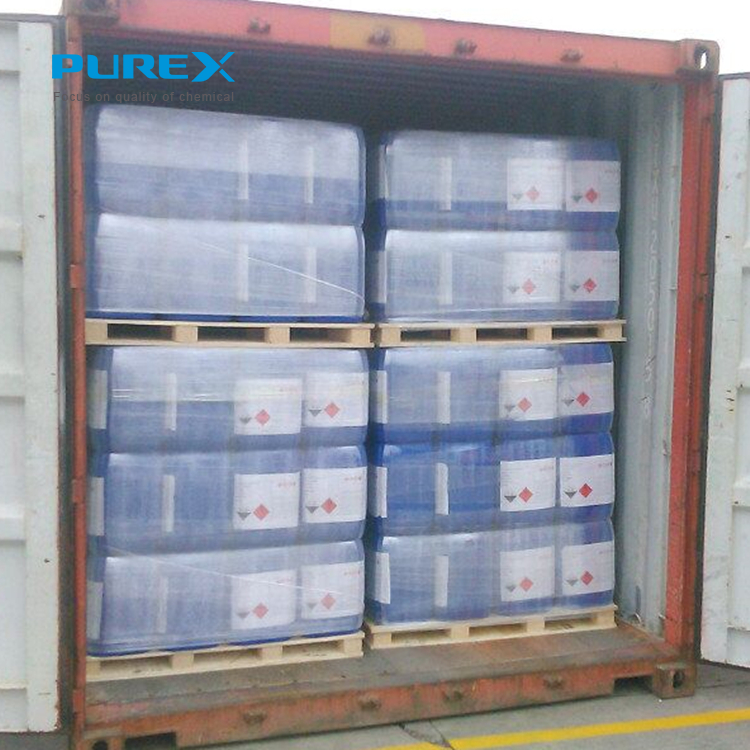
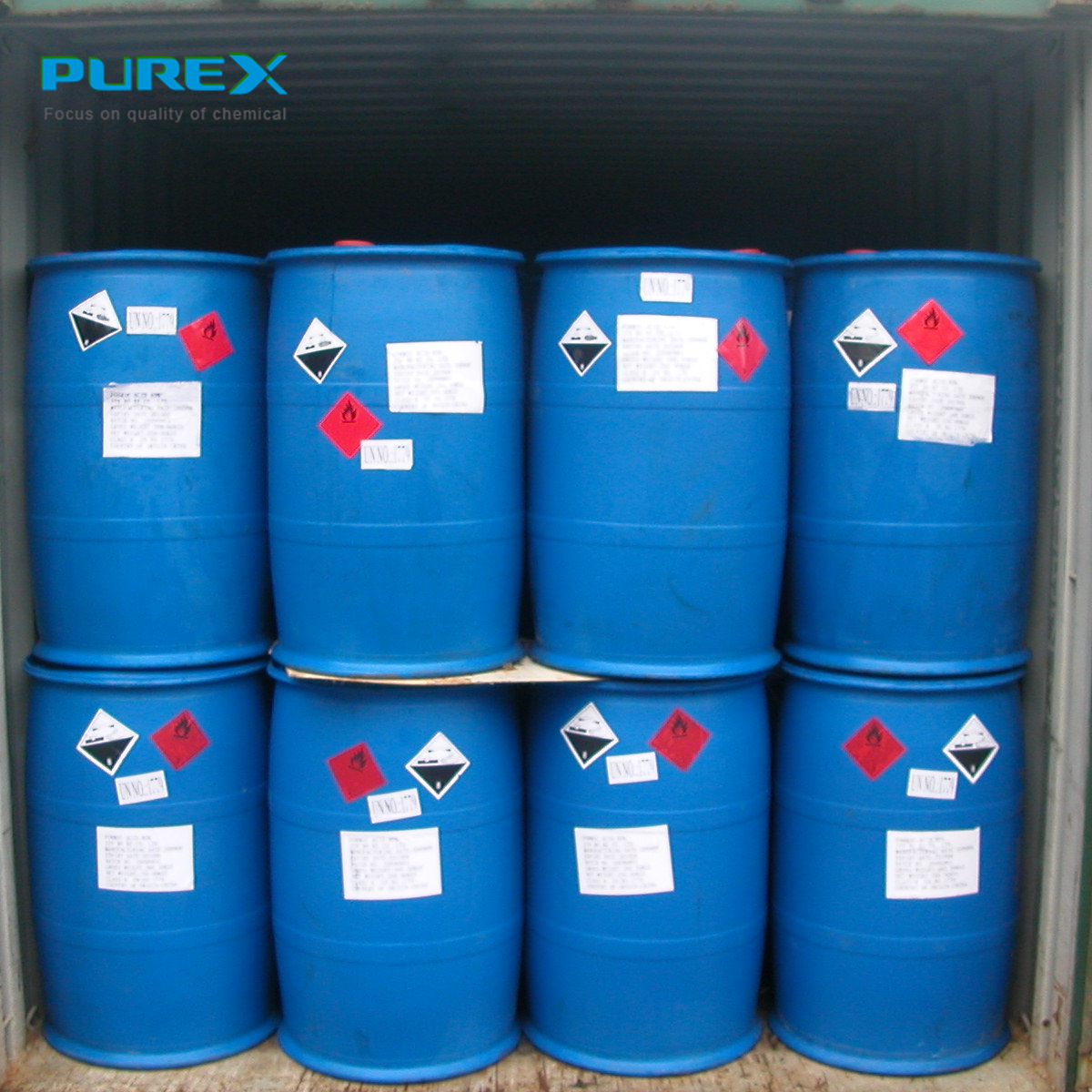
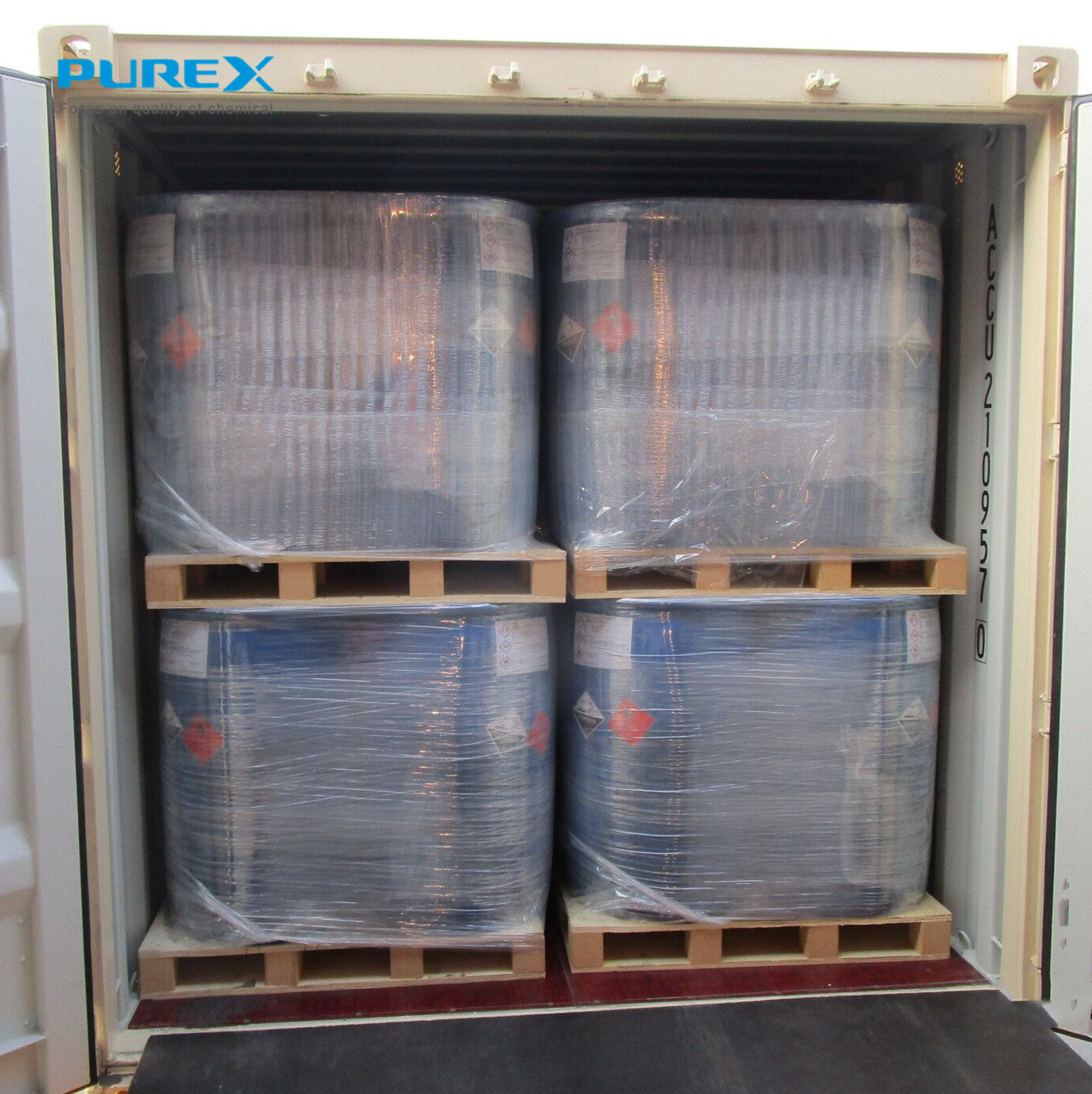
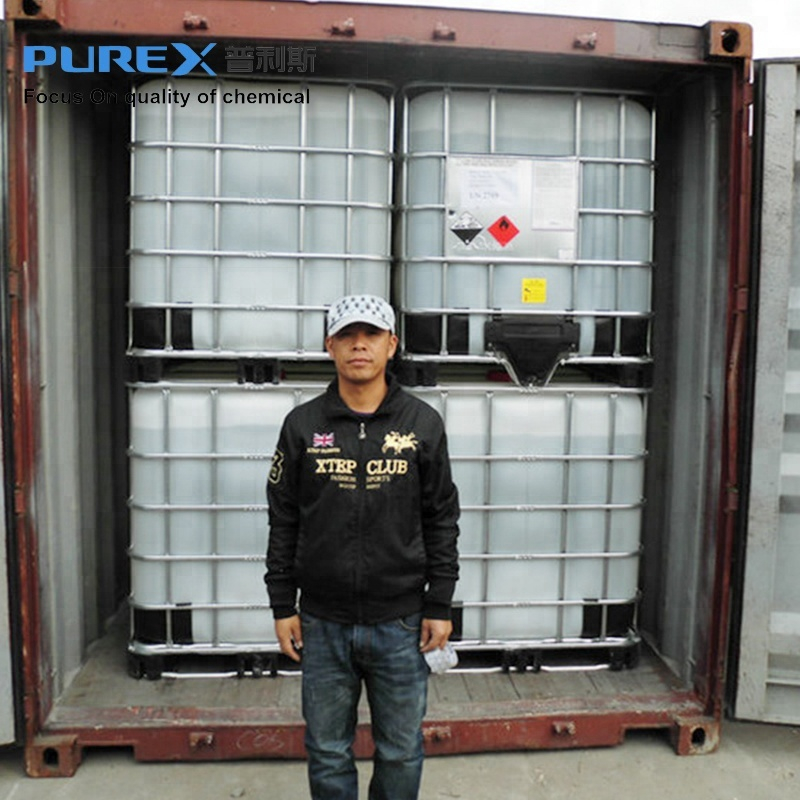
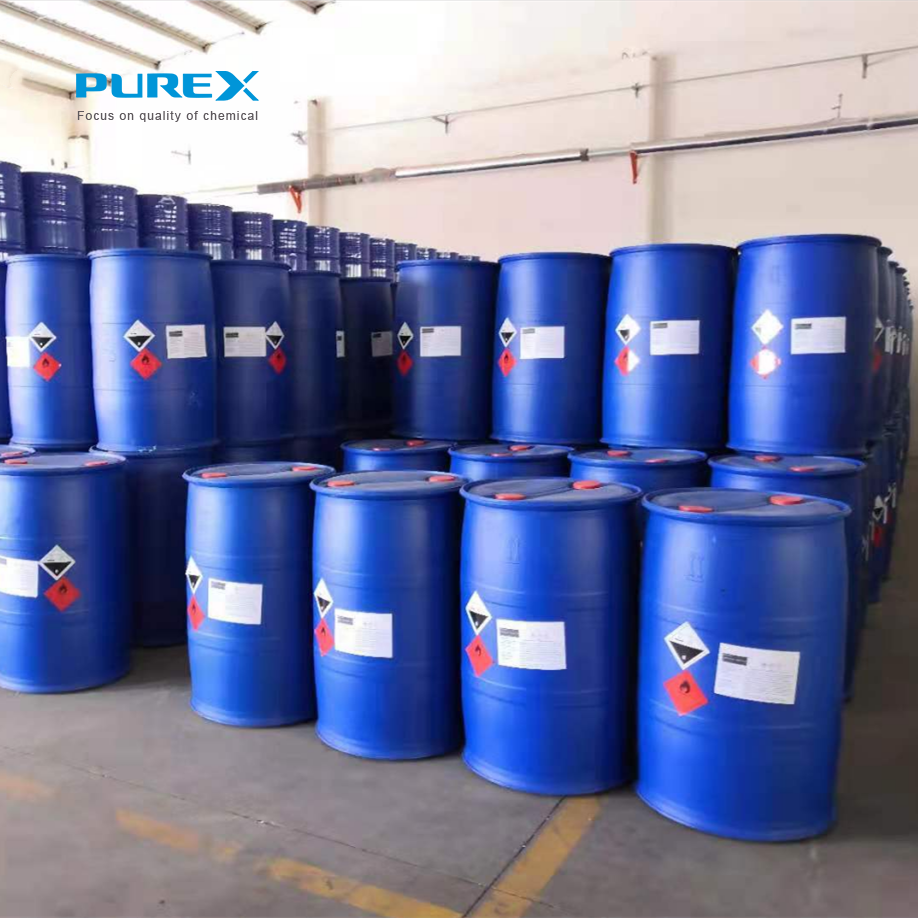
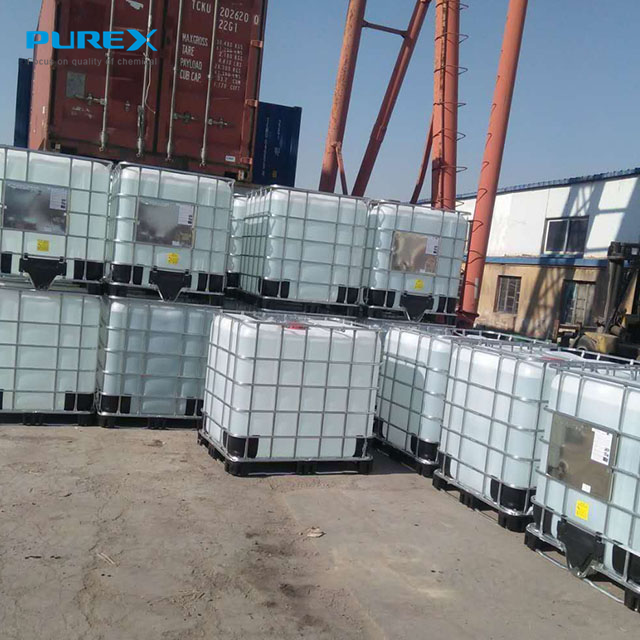
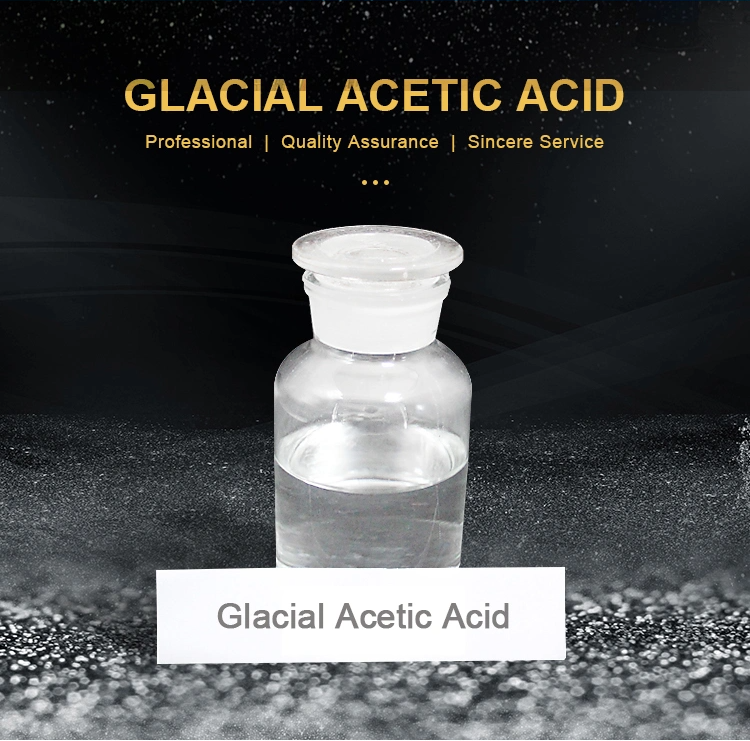
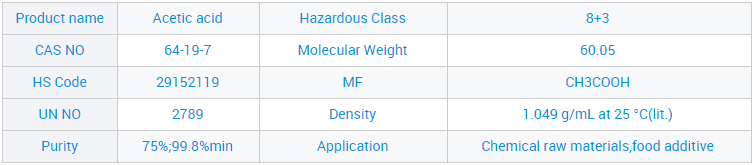
گاا سي اي ايس 64-19-7 گليشيل ايسٽڪ ايسڊ
هڪ سٺي ننڍي ڪاروبار ڪريڊٽ اسڪور، شاندار بعد ۾ سيلز سروسز ۽ جديد پيداواري سهولتن سان، اسان Gaa CAS 64-19-7 Glacial Acetic Acid، صحيح پروسيس ڊوائيسز، جديد انجڪشن مولڊنگ سامان، سامان اسيمبلي لائن، ليبز ۽ سافٽ ويئر جي واڌ لاءِ دنيا جي چوڌاري اسان جي خريد ڪندڙن ۾ هڪ شاندار شهرت حاصل ڪئي آهي.
هڪ سٺي ننڍي ڪاروبار ڪريڊٽ اسڪور، شاندار بعد ۾ سيلز سروسز ۽ جديد پيداوار جون سهولتون هجڻ ڪري، اسان سڄي دنيا ۾ اسان جي خريد ڪندڙن ۾ هڪ شاندار شهرت حاصل ڪئي آهي، اسان ٽيڪنڪ ۽ معيار جي نظام جي انتظام کي اختيار ڪيو آهي، جيڪو "گراهڪ تي ٻڌل، شهرت پهرين، باهمي فائدو، گڏيل ڪوششن سان ترقي" تي ٻڌل آهي، دوستن کي ڀليڪار ڪيون ٿا ته دنيا جي سڀني ملڪن مان رابطو ڪن ۽ تعاون ڪن.


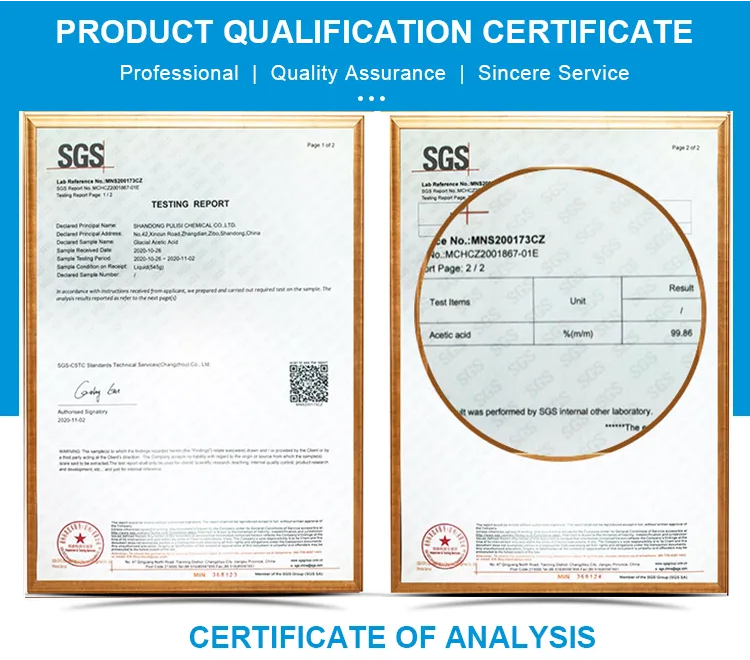
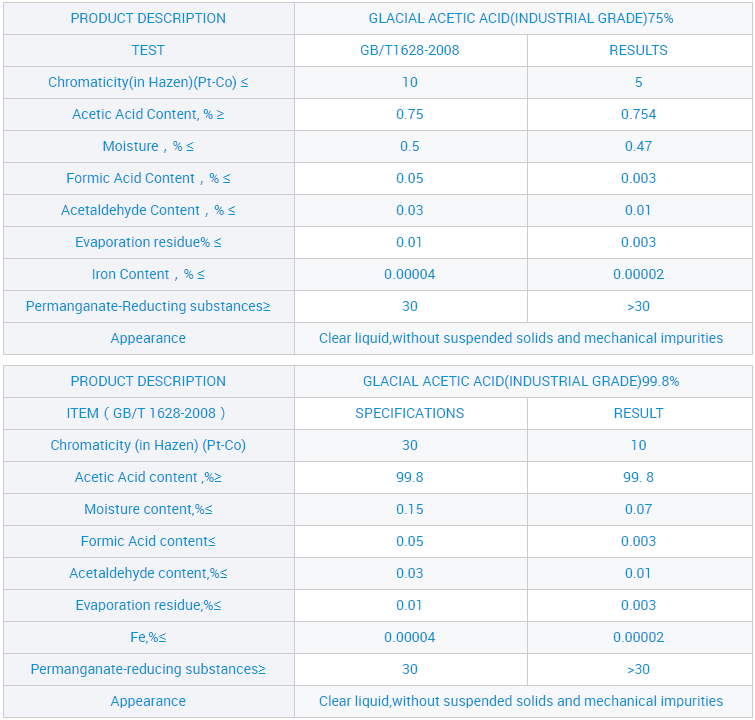
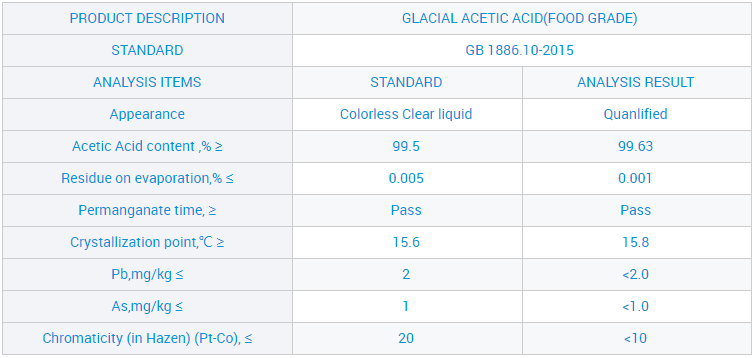
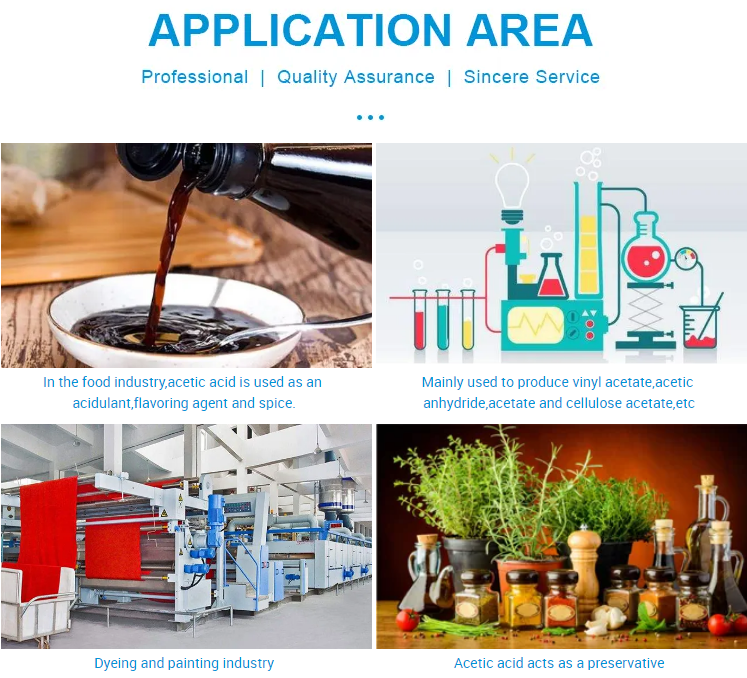
 1847ع ۾، جرمن ڪيمسٽ هرمن ڪولبي غير نامياتي مواد مان گليشيل ايسيٽڪ ايسڊ گا جي پهرين مصنوعي پيداوار حاصل ڪئي. هن عمل ۾ ڪاربن ٽيٽرا ڪلورائڊ ٺاهڻ لاءِ ڪاربان ڊسلفائيڊ کي ڪلورينيٽ ڪرڻ شامل هو، جنهن کان پوءِ پائروليسس، هائيڊروليسس، ۽ ڪلورينيشن ذريعي ٽرائڪلورواسيٽڪ ايسڊ پيدا ڪيو ويو، جيڪو پوءِ اليڪٽرولائيٽيڪل طور تي ايسيٽڪ ايسڊ ۾ گهٽجي ويو.
1910 تائين، گهڻي ڀاڱي گليشيل ايسٽڪ ايسڊ گا ڪاٺ جي تار جي خشڪ آسون مان حاصل ڪيو ويندو هو. ان عمل ۾ ڪيلشيم ايسٽيڪٽ ٺاهڻ لاءِ تار کي ڪيلشيم هائيڊرو آڪسائيڊ سان علاج ڪرڻ شامل هو، جنهن کي پوءِ سلفورڪ ايسڊ سان تيزابي بڻايو ويو ته جيئن ايسٽڪ ايسڊ پيدا ٿئي. ان وقت، جرمني هر سال تقريباً 10,000 ٽن گليشيل ايسٽڪ ايسڊ پيدا ڪندو هو، جنهن مان تقريباً 30 سيڪڙو نيل رنگ جي تياري ۾ استعمال ٿيندو هو.
